
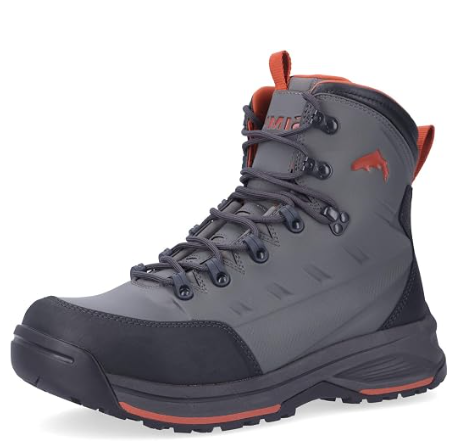
Choosing the best wading boots for fly fishing is essential for staying comfortable, maintaining traction, and protecting your feet while navigating slippery rocks, muddy riverbanks, and uneven streambeds. The right pair should offer durable construction, reliable grip, adequate ankle support, efficient water drainage, and a comfortable fit that works well with your waders. Whether you prefer felt soles, cleated rubber outsoles, or interchangeable traction systems, the best choice depends on your fishing environment and personal needs.
In this guide, we explore the top wading boots for fly fishing, including their features, advantages, and disadvantages, to help you compare your options. We also cover the important factors to consider before buying and answer frequently asked questions so you can choose boots that deliver dependable performance, comfort, and durability on your fishing adventures.
Best Wader Boots for Fly Fishing
1)Paramount Outdoors Deep Eddy Wading Boots
Get it on Amazon
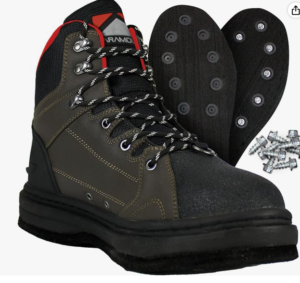
The Paramount Outdoors Deep Eddy Wading Boots are designed for fly fishing in rivers and streams where reliable traction, foot support, and durability are important. They feature a reinforced toe cap, a rubber heel, and a stiff reinforced midsole to help protect the feet and provide a stable platform while wading through uneven riverbeds. The felt soles include recessed wading stud housings, with removable wading studs included to improve grip on slippery rocks and muddy riverbanks. These features make the boots a practical option for anglers who need dependable footwear when navigating challenging fishing environments.
Another useful feature is the gravel guard D ring attachment point, which allows anglers to connect the boots to the lace hook on compatible Paramount Outdoors waders. This helps create a snug fit and reduces unwanted movement while walking through the water. The reinforced toe cap and rubber heel also contribute to durability while making the boots easier to put on and remove beside the river. Although the design focuses on stability and protection, anglers should remember that felt soles can be restricted in some waterways because of invasive species concerns and local regulations.
Pros
• Reliable Traction: Felt soles and included removable wading studs help improve grip on slick rocks and muddy riverbanks.
• Durable Construction: The reinforced toe cap and rubber heel provide added protection against wear during regular fishing trips.
• Stable Foot Support: The stiff reinforced midsole creates a solid footbed for navigating uneven riverbeds.
• Secure Wader Attachment: The gravel guard D ring allows the boots to attach to compatible Paramount Outdoors waders for a snug fit.
• Removable Wading Studs: Anglers can adjust the sole setup to suit different fishing environments and traction needs.
• Easy On and Off: The reinforced heel design helps make putting on and removing the boots more convenient beside the river.
Cons
• Felt Sole Restrictions: Felt soles are prohibited in some waterways because they can transport invasive aquatic organisms, so local regulations should be checked before use.
2)Foxelli Wading Boots
Get it on Amazon
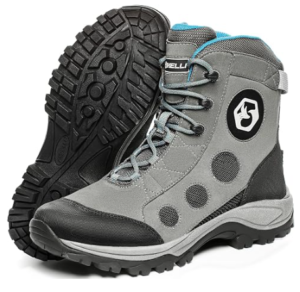
Foxelli Wading Boots are designed for fly fishing anglers who need durable, lightweight, and comfortable footwear for navigating rivers, rocky paths, and slippery banks. Their reinforced stitching, rubber toe and heel rand, and abrasion resistant upper help protect against damage from rocks, gravel, and brush. These boots are suitable for anglers who hike to remote fishing locations and spend extended periods wading in water. With a lightweight design of approximately 1.3 pounds per boot, they help reduce unnecessary bulk while providing the support needed for demanding fishing trips.
Comfort is another important advantage of the Foxelli Wading Boots. They feature removable OrthoLite insoles and shock absorbing EVA midsoles to help reduce joint fatigue during long days on the water. The breathable plaid nylon and microfiber upper allow flexibility and comfortable movement, while the slip resistant rubber outsoles provide traction on wet and uneven surfaces. Mesh drain ports allow water to escape quickly, helping keep the boots lighter during use. However, these boots are not fully waterproof or insulated, so anglers should pair them with suitable neoprene booties and waders depending on the weather and water conditions.
The boots also include practical details that make them easier to wear and remove. A rear pull loop and lace hooks simplify putting them on and securing the fit, while the rubber kick log allows hands free removal after fishing. The roomy toe box supports natural toe movement, and the sizing guidance helps anglers choose the appropriate fit for their wader socks. For standard 2 to 3 mm neoprene socks, the recommended approach is to order the usual shoe size, while thicker 4 to 5 mm socks may require sizing up. Overall, Foxelli Wading Boots are a practical option for fly fishers who prioritize comfort, flexibility, and dependable traction.
Pros
• Durable Construction: Reinforced stitching, a rubber toe and heel rand, and an abrasion resistant upper help protect the boots against rocks, gravel, and rough trails.
• Lightweight Design: At approximately 1.3 pounds per boot, they reduce bulk and make hiking to fishing locations more comfortable.
• Comfortable Foot Support: Removable OrthoLite insoles and shock absorbing EVA midsoles help reduce fatigue during extended fishing sessions.
• Slip Resistant Traction: Rubber outsoles with a water and debris channeling tread pattern provide grip on wet rocks, muddy banks, and uneven trails.
• Quick Water Drainage: Mesh drain ports release water efficiently, helping prevent the boots from becoming unnecessarily heavy during wading.
• Flexible and Breathable Materials: The microfiber and plaid nylon upper allows comfortable movement on trails and in the water.
• Convenient Removal: The rear pull loop, lace hooks, and rubber kick log make the boots easier to put on, secure, and remove.
• Roomy Toe Box: The extra space around the toes allows natural movement while hiking and wading.
Cons
• Not Fully Waterproof: The boots are designed to drain water rather than keep it out, so they should be used with appropriate waders and neoprene booties.
3)FROGG TOGGS Men’s Hellbender Waterproof Wading Boots
Get it on Amazon
The FROGG TOGGS Men’s Hellbender Waterproof Wading Boots are designed for fly fishing anglers who need dependable traction, comfort, and protection when navigating rivers, streams, and uneven riverbeds. Available with either felt or cleated soles, these boots allow anglers to choose an option suited to their fishing environment. The different sole designs provide traction on surfaces such as wet rocks, gravel, mud, and debris, helping anglers maintain stability while moving through challenging conditions. Their lightweight mesh and PVC upper also supports water drainage, making them suitable for extended fishing sessions.
Comfort and foot support are important considerations when spending hours in the water, and the Hellbender boots incorporate several features to address these needs. The polyurethane midsole provides cushioning underfoot, while the wide wading last helps support the feet and improve stability. A padded ankle collar adds comfort around the ankle, and the enhanced toe and heel caps provide additional protection against impacts and rough surfaces. These features make the boots a practical option for anglers who regularly move between riverbanks and fishing spots.
The FROGG TOGGS Men’s Hellbender Wading Boots also feature speed laces and a locking lace clip for a quick, secure fit. This design helps anglers tighten their boots conveniently before entering the water. FROGG TOGGS has been producing outdoor products since 1996, including rainwear, waders, cooling products, footwear, and accessories, with an emphasis on performance and affordability. Although the Hellbender boots offer useful features for fly fishing, buyers should consider the sole type that best suits their fishing locations and check local restrictions on felt soles before making a purchase.
Pros
• Choice of Sole Types: Available in felt or cleated versions, allowing anglers to select traction suited to their preferred fishing environments.
• Water Draining Construction: The lightweight mesh and PVC upper allows water to drain, helping make the boots suitable for wet wading conditions.
• Protective Toe and Heel Caps: Reinforced toe and heel areas help protect the boots and feet when navigating rocks, gravel, and rough terrain.
• Cushioned Comfort: The polyurethane midsole provides cushioning that can help improve comfort during long fishing trips.
• Wide and Stable Fit: The wide wading last provides additional support and stability when moving across uneven riverbeds.
• Padded Ankle Collar: Padding around the ankle helps improve comfort and provides a more supportive feel.
• Quick and Secure Lacing: Speed laces and a locking lace clip make it easier to secure the boots before entering the water.
• Established Outdoor Brand: FROGG TOGGS has offered outdoor clothing, footwear, and accessories since 1996, with a focus on performance and affordability.
Cons
• Sole Selection Requires Care: Anglers must choose between felt and cleated soles based on their fishing conditions, as each option may perform differently across various surfaces.
4)Simms Men’s Freestone Wading Boots
Get it on Amazon
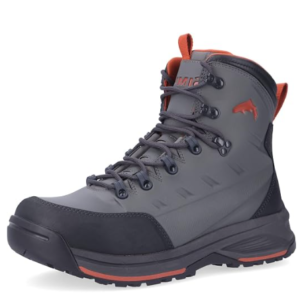
The Simms Men’s Freestone Wading Boots are designed for fly fishing anglers who need durable footwear, comfortable support, and reliable performance in challenging river conditions. They feature a synthetic scratch leather upper with toe and heel reinforcement to help protect against abrasion and impacts when navigating rocky riverbeds and uneven terrain. The waterproof construction is intended to provide protection from water, making these boots a practical option for anglers who spend extended periods fishing in streams and rivers. Their reinforced design also makes them suitable for regular use in demanding outdoor environments.
Comfort is another important consideration in the Freestone boots. They feature a partial neoprene lining that improves comfort and makes the boots easier to put on and take off. The dual density EVA midsole provides cushioning underfoot, helping anglers remain comfortable while walking along riverbanks or moving across uneven surfaces. These features make the boots suitable for fishing trips that involve both hiking and wading, where foot support and ease of movement are important.
The Simms Men’s Freestone Wading Boots also feature an updated rubber outsole that is compatible with Simms Hardbite Star Cleats, Hardbite Studs, and Alumibite Star Cleats. This compatibility allows anglers to customize their footwear with compatible traction accessories according to their fishing conditions. Another benefit is that the product is crafted without the use of PFAs, which are chemicals commonly used in some water resistant treatments and other products. Anglers should note that traction performance depends on the selected outsole accessories and the surfaces encountered. Overall, these boots offer a combination of protective construction, cushioning, and adaptable traction for fly fishing.
Pros
• Waterproof Construction: The waterproof synthetic upper is designed to help protect feet from water during fishing trips.
• Reinforced Toe and Heel: The reinforced areas provide additional protection against impacts and abrasion from rocks and rough terrain.
• Comfortable Neoprene Lining: The partial neoprene lining helps improve comfort and makes putting on and removing the boots easier.
• Cushioned Midsole: The dual density EVA midsole provides underfoot cushioning for greater comfort during extended fishing sessions.
• Customizable Traction: The rubber outsole is compatible with Simms Hardbite Star Cleats, Hardbite Studs, and Alumibite Star Cleats.
• Suitable for Rugged Conditions: The reinforced upper and protective construction make the boots appropriate for demanding river environments.
• Easy to Put On and Remove: The partial neoprene lining supports convenient donning and removal after a long day on the water.
• Made Without PFAs: The product is crafted without the use of PFAs, making this a useful consideration for anglers concerned about certain chemicals in outdoor products.
Cons
• Traction Accessories May Be Additional: The outsole is compatible with several Simms traction accessories, but the supplied information does not confirm which accessories are included with the boots.
5)Korkers Men’s Wading Boots
Get it on Amazon
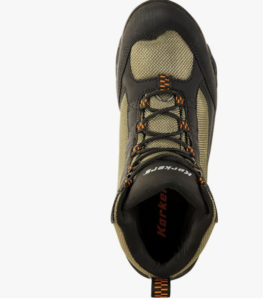
Korkers Men’s Wading Boots are designed for fly fishing anglers who need adaptable traction, durable construction, and reliable performance in changing river conditions. One of their main advantages is the OmniTrax interchangeable sole system, which allows anglers to change the soles to suit different fishing environments. This flexibility is useful when moving between slippery rocks, muddy riverbanks, and uneven streambeds. Rather than relying on one sole type for every situation, anglers can adjust their footwear to match the terrain and fishing conditions.
Durability is another important aspect of these wading boots. They use abrasion resistant materials and strategically positioned seams to help minimize wear during repeated contact with rocks, gravel, and rough surfaces. The hydrophobic materials are designed to dry faster, helping reduce the time the boots remain wet after fishing. Faster drying can also lessen the risk of transferring invasive aquatic species between waterways, although proper cleaning and drying remain essential. These features make the boots suitable for anglers who regularly visit different rivers and streams.
The Korkers Men’s Wading Boots also feature an internal drainage system that channels water through the boots and out through ports in the midsole. This helps remove excess water and reduce the additional weight associated with waterlogged footwear. Traditional laces combined with rugged web loops allow anglers to secure the boots for a more personalized fit. While the interchangeable sole system provides useful versatility, anglers should consider the availability of compatible replacement soles and follow local regulations regarding permitted sole types. Overall, these boots offer practical features for fly fishers who need adaptable traction and durable footwear for regular use.
Pros
• Interchangeable Traction System: The OmniTrax system allows anglers to switch soles to match different fishing conditions and river surfaces.
• Faster Drying Materials: Hydrophobic materials help the boots dry more quickly after use and reduce the time they remain wet.
• Durable Construction: Abrasion resistant materials and strategically positioned seams help minimize wear during demanding fishing trips.
• Effective Water Drainage: Internal channels direct water toward midsole drainage ports, helping remove excess water and weight.
• Adaptable for Different Environments: The interchangeable sole system provides flexibility for anglers who fish in varying river conditions.
• Secure Lace Closure: Traditional laces and rugged web loops help anglers adjust the fit and secure the boots around their feet.
• Reduced Water Retention: The drainage design helps prevent excess water from remaining inside the boots and adding unnecessary weight.
• Useful for Frequent Fishing Trips: The combination of durable materials, drainage, and adaptable traction makes these boots suitable for anglers who regularly fish different waterways.
Cons
• Sole Changes Require Extra Equipment: Anglers may need to purchase additional compatible soles to take full advantage of the interchangeable traction system.
You may also like to read best wet wading boots for fly fishing
Best Wading Boots for Fly Fishing Advantages
1. Reliable Traction
Wading boots provide improved grip when moving across slippery rocks, muddy riverbanks, gravel, and uneven streambeds. Choosing the right sole type, whether felt or cleated, helps anglers maintain better footing and reduces the risk of slipping while fishing in challenging water conditions.
2. Enhanced Foot Protection
Quality wading boots feature reinforced toe caps, protective heels, and abrasion resistant materials that help shield the feet from sharp rocks, gravel, and other obstacles. This protection is especially useful when navigating rocky riverbeds or hiking along rough trails to reach fishing locations.
3. Improved Comfort During Long Fishing Sessions
Cushioned midsoles, padded ankle collars, and supportive footbeds help reduce discomfort during extended periods of standing, walking, and wading. Comfortable footwear allows anglers to concentrate on fishing rather than constantly adjusting their boots or dealing with tired feet.
4. Better Stability and Support
A firm midsole, supportive ankle design, and suitable fit help anglers maintain balance when walking across uneven underwater surfaces. Improved stability is valuable when crossing streams, stepping over submerged rocks, or moving through changing water depths.
5. Efficient Water Drainage
Many wading boots incorporate mesh panels, drainage ports, or internal channels that allow water to escape after entering the footwear. This helps reduce excess water weight and makes moving through the river more comfortable. Faster drainage can also help the boots dry more efficiently after a fishing trip.
6. Durability for Repeated Outdoor Use
Reinforced stitching, abrasion resistant uppers, and protective toe and heel sections help wading boots withstand regular contact with rocks, gravel, and rough terrain. Investing in durable footwear can reduce the need for frequent replacements and provide dependable performance across multiple fishing seasons.
7. Compatibility With Waders and Traction Accessories
Well designed wading boots can work with stockingfoot waders and compatible traction accessories, such as removable studs or interchangeable soles. This flexibility allows anglers to adjust their footwear according to water conditions, personal preferences, and the terrain they encounter.
8. Greater Convenience and Versatility
Features such as adjustable laces, pull loops, comfortable linings, and lightweight materials make wading boots easier to put on, remove, and wear during long fishing trips. Some designs also use quick drying or hydrophobic materials, making them practical for anglers who visit multiple fishing locations. Proper cleaning and drying between waterways remain important for preventing the spread of invasive aquatic species.
Factors to Consider When Choosing the Best Wading Boots for Fly Fishing
1. Sole Type and Traction
The type of sole is one of the most important factors when choosing wading boots for fly fishing. Felt soles provide grip on many slippery, algae covered rocks, while cleated or rubber soles can be suitable for gravel, muddy banks, and varied terrain. Some boots feature interchangeable soles that allow anglers to adapt to changing conditions. Before purchasing, check local regulations because felt soles are prohibited in some waterways to help prevent the spread of invasive species.
2. Durability and Construction
Choose wading boots made from durable materials that can withstand repeated exposure to water, rocks, gravel, and rough trails. Reinforced toe caps, protective heel sections, abrasion resistant uppers, and strong stitching help reduce wear and protect your feet from impacts. Durable construction is particularly important for anglers who fish regularly or hike long distances to reach remote fishing spots.
3. Comfort and Cushioning
Comfort is essential when spending several hours standing or walking in rivers. Look for boots with cushioned midsoles, supportive footbeds, and padded ankle collars that help reduce fatigue during extended fishing trips. Materials that allow natural foot movement can also improve comfort when hiking between fishing locations. Removable insoles may be useful because they can be taken out for cleaning and drying.
4. Fit and Sizing
Proper sizing helps prevent blisters, discomfort, and instability when wading. Your boots should provide enough room for the neoprene booties attached to your stockingfoot waders without allowing excessive movement inside the footwear. Check the manufacturer’s sizing chart and consider the thickness of the socks or booties you intend to wear. A secure heel and sufficient toe room are particularly important when walking over uneven riverbeds.
5. Water Drainage and Drying Time
Wading boots are designed to get wet, so efficient drainage is an important consideration. Mesh panels, drainage ports, and internal channels help release water and reduce excess weight while fishing. Hydrophobic materials may also help the boots dry faster after use. Choose a design that allows water to escape efficiently, and remember to clean and dry the boots thoroughly between fishing locations to reduce the risk of spreading invasive aquatic organisms.
6. Support and Stability
Look for boots with a supportive midsole, a stable footbed, and a secure ankle fit. These features help you maintain balance while navigating submerged rocks, uneven surfaces, and flowing water. A firm midsole can provide a more stable platform underfoot, while suitable ankle support can improve confidence when moving through challenging terrain. The level of support you need will depend on how far you hike and the type of rivers you fish.
7. Compatibility With Waders and Accessories
Before buying, check whether the boots are compatible with your existing waders and any traction accessories you plan to use. Some designs include attachment points for gravel guards, while others accommodate specific cleats, studs, or interchangeable soles. Confirm whether these accessories are included or sold separately. Good compatibility helps create a secure setup and ensures your footwear performs as intended in your preferred fishing environment.
8. Weight, Ease of Use, and Weather Conditions
Boot weight can affect comfort, especially when hiking long distances or fishing throughout the day. Lightweight designs can reduce fatigue, while features such as quick laces, pull loops, and easy removal systems make gearing up more convenient. Also consider the weather and water temperature. Uninsulated, water draining boots may work well with suitable waders in moderate conditions, but cold water fishing may require additional thermal protection. Choose boots that balance weight, convenience, and protection for your usual fishing conditions.
Best Wading Boots for Fly Fishing FAQs
1. What type of sole is best for wading boots for fly fishing?
The best sole depends on the fishing environment. Felt soles provide grip on many slippery rocks, while rubber soles with cleats or studs can offer traction on gravel, muddy banks, and varied terrain. Interchangeable sole systems provide additional flexibility. Always check local regulations before using felt soles because they are restricted in some waterways.
2. Should wading boots for fly fishing be waterproof?
Not necessarily. Many wading boots are designed to let water enter and drain quickly rather than keep your feet completely dry. This design helps reduce water retention and excess weight. If you use stockingfoot waders, choose boots that fit comfortably over the attached neoprene booties. For cold weather fishing, consider suitable insulation and thermal socks or booties.
3. How should you maintain wading boots for fly fishing?
Rinse your boots after each fishing trip to remove mud, gravel, and organic material. Clean them thoroughly and allow them to dry completely before visiting another waterway. This helps extend their lifespan and reduce the risk of spreading invasive aquatic species. Check the soles, laces, stitching, and drainage ports regularly for damage, and replace worn traction accessories when necessary.
Conclusion
The best wading boots for fly fishing are those that combine reliable traction, durable construction, comfortable support, and efficient water drainage to suit your fishing conditions. Each option offers different benefits, from interchangeable soles for adapting to various riverbeds to reinforced toe and heel protection, cushioned midsoles, and lightweight materials for all day comfort. What sets the best wading boots apart is their ability to provide stability on slippery surfaces while remaining comfortable and durable through repeated fishing trips.
Before making your choice, consider the sole type, fit over your wader booties, ankle support, and the conditions in which you fish most often. By prioritizing these features, you can find wading boots that meet your needs, improve your confidence in the water, and make every fly fishing adventure more enjoyable.