
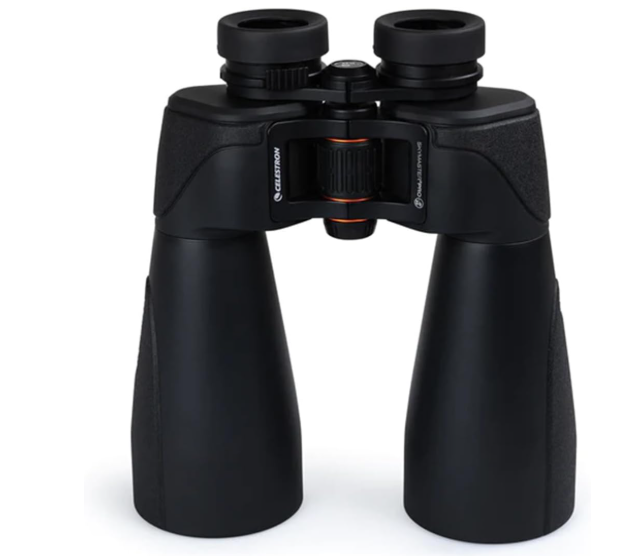
Choosing the best binocular magnification for astronomy comes down to finding the right balance between detail, brightness, stability, and field of view. For many stargazers, magnifications around 10x to 15x provide an excellent combination, allowing you to explore the Moon, star fields, and brighter celestial objects without making the image unnecessarily difficult to keep steady.
Larger objective lenses can further improve light gathering, while quality optics and coatings help produce clearer, brighter views of the night sky. In this guide, we’ll look at the key features that make astronomy binoculars effective, highlight the top picks, explain what to consider in our buying guide, and answer the most common questions in the FAQs to help you choose the right magnification for your stargazing needs.
Best Binocular Magnification for Astronomy
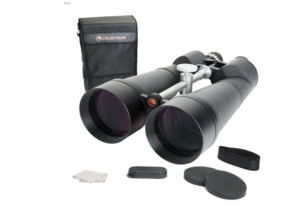
1)Celestron SkyMaster 25×100 Giant Astronomy Binoculars
Get it on Amazon
The Celestron SkyMaster 25×100 Giant Astronomy Binoculars are designed for viewers who want serious magnification and a large field of view for astronomy and long distance observation. With powerful 25x magnification and massive 100mm objective lenses, they collect plenty of light, making them particularly useful for viewing the Moon, brighter deep sky objects, stars, and distant land-based subjects. For astronomy, the combination offers impressive reach and light-gathering ability, although the binoculars are large enough that a tripod is strongly recommended.
Image quality benefits from the BaK-4 prisms, which are designed to maximize light transmission and produce brighter, more detailed views in low-light conditions. This makes the SkyMaster especially useful after sunset, during nighttime observation, and around dawn and dusk. The 25x power can reveal considerably more detail than typical lower-power binoculars, but it also makes handholding impractical for most users because even small movements become noticeable at this magnification.
Because of their size and weight, these binoculars work best when mounted on a traditional photo tripod. The built-in 1/4″-20 tripod adapter makes attachment straightforward with compatible tripods, turning the SkyMaster into a stable platform for extended astronomical viewing. A tripod is not included, so buyers should factor that additional purchase into the overall setup.
The construction is also suited to outdoor use. A rubber-armored housing helps protect the binoculars from knocks while providing a more secure grip, and the water-resistant exterior offers added protection when unexpected rain or damp conditions occur. Celestron also backs the product with a Limited Lifetime US Warranty and US-based technical support, providing additional confidence for long-term ownership.
For anyone asking what is the best binocular magnification for astronomy, 25x is a strong choice when maximum reach and detailed views are more important than portability. The SkyMaster 25×100 is especially appealing to dedicated backyard astronomers who are comfortable using a tripod and want much more light-gathering capability than conventional binoculars provide.
Pros
• Powerful 25x magnification for detailed astronomical and long-distance viewing
• Large 100mm objective lenses provide strong light-gathering capability
• BaK-4 prisms help produce bright, detailed images in dim conditions
• Built-in 1/4″-20 adapter works with many traditional photo tripods
• Rubber-armored body provides protection and a secure grip
• Water-resistant exterior adds protection for outdoor use
• Limited Lifetime US Warranty and US-based technical support
Cons
• Large and heavy compared with standard binoculars
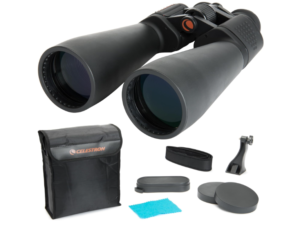
2)Celestron SkyMaster 25×70 Binoculars for Astronomy
Get it on Amazon
The Celestron SkyMaster 25×70 Binoculars offer a strong combination of high magnification and light-gathering ability for astronomy enthusiasts who want more reach than standard binoculars. With 25x magnification and large 70mm objective lenses, they are designed to bring distant celestial and land-based subjects closer while collecting plenty of light. For users looking for the best binocular magnification for astronomy, 25x provides impressive detail, particularly when viewing the Moon, stars, and other brighter astronomical targets.
The 70mm objective lenses make these binoculars particularly useful in dim conditions. They are designed to gather more light than smaller binoculars, while the BaK-4 prisms help maximize light transmission to the eyes. This can produce brighter and more detailed views around dawn, dusk, and during nighttime astronomy sessions. The combination of 25x power and 70mm lenses gives the SkyMaster a useful balance between magnification and light-gathering capability.
Because 25x magnification makes even small hand movements noticeable, these binoculars are best used with a tripod. The built-in 1/4″-20 tripod adapter allows them to connect to most traditional photo tripods quickly. A tripod is not included, so users should plan to purchase one if they want consistently steady views during extended observation sessions.
The SkyMaster 25×70 is also built for outdoor use. Its rubber-armored housing helps protect the binoculars from everyday bumps while providing a secure gripping surface. The water-resistant exterior adds another layer of protection when observing outdoors in damp conditions or when unexpected rain arrives.
Celestron also provides useful long-term support with a Limited Lifetime US Warranty and US-based expert technical support. Overall, the SkyMaster 25×70 is a good choice for astronomy viewers who want powerful 25x magnification without moving all the way up to the much larger 100mm models. It is particularly suited to tripod-based observation where detail, reach, and low-light performance are more important than compactness.
Pros
• Powerful 25x magnification for astronomy and long-distance viewing
• Large 70mm objective lenses provide strong light-gathering capability
• BaK-4 prisms help deliver brighter, more detailed images in low-light conditions
• Built-in 1/4″-20 adapter works with most traditional photo tripods
• Rubber-armored housing improves durability and grip
• Water-resistant exterior provides added protection for outdoor use
• Limited Lifetime US Warranty and US-based expert technical support
Cons
• High 25x magnification makes handheld viewing difficult
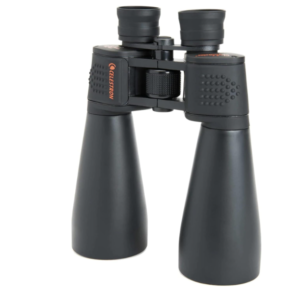
3)Celestron SkyMaster 15×70 Astronomy Binoculars
Get it on Amazon
The Celestron SkyMaster 15×70 Astronomy Binoculars are a practical choice for astronomy enthusiasts who want more magnification and light gathering than standard binoculars while keeping the setup more manageable than extremely large models. With 15x magnification and 70mm objective lenses, they provide a useful combination for observing the Moon, stars, and other bright celestial targets. For anyone looking for the best binocular magnification for astronomy, 15x offers a good balance between reach, brightness, and ease of use.
The large 70mm objective lenses are designed to gather plenty of light, making these binoculars well suited to nighttime observation as well as viewing during dawn and dusk. Their BaK 4 prisms help maximize light transmission to the eyes, supporting brighter and more detailed views in dim conditions. This makes the SkyMaster 15×70 particularly useful for casual stargazing and wide astronomical observation.
Although 15x magnification is easier to manage than higher powered binoculars, the SkyMaster is still large and relatively heavy. Most users will get the best results by mounting it on a traditional photo tripod, especially during extended astronomy sessions. The built in 1/4″-20 tripod adapter allows the binoculars to attach to most compatible tripods quickly, although the tripod itself is not included.
The binoculars are also designed for outdoor conditions. A rubber armored housing helps protect the body from everyday bumps while providing a secure grip, and the water resistant exterior offers additional protection against unexpected rain and damp conditions. These features make the SkyMaster suitable for outdoor observation where equipment may be exposed to changing weather.
Celestron adds further value with a Limited Lifetime US Warranty and US based expert technical support. Overall, the SkyMaster 15×70 is a strong option for astronomy beginners and enthusiasts who want a combination of useful magnification, large objective lenses, and relatively straightforward tripod mounting. Its 15x power makes it a more manageable choice than 20x or 25x binoculars while still providing a substantial increase in reach over conventional models.
Pros
• 15x magnification provides a good balance of reach and usability for astronomy
• Large 70mm objective lenses offer strong light gathering capability
• BaK 4 prisms help provide brighter and more detailed views in dim conditions
• Built in 1/4″-20 tripod adapter makes tripod mounting convenient
• Rubber armored housing helps protect the binoculars and improves grip
• Water resistant exterior provides added protection for outdoor use
• Limited Lifetime US Warranty and US based expert technical support
Cons
• Large 70mm design is heavier than standard binoculars
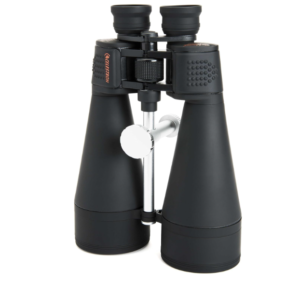
4)Celestron SkyMaster 20×80 Binoculars for Deep-Sky Astronomy
Get it on Amazon
The Celestron SkyMaster 20×80 Binoculars are a strong option for astronomy enthusiasts who want substantial magnification combined with excellent light gathering. Their 20x magnification and large 80mm objective lenses provide plenty of reach for observing the Moon, stars, and other bright celestial targets. For anyone comparing the best binocular magnification for astronomy, 20x offers a useful middle ground, providing more detail than 15x binoculars without reaching the extreme size and magnification of 25x models.
The large 80mm objective lenses are particularly useful for nighttime observation because they can gather considerable light. Combined with BaK 4 prisms, the binoculars are designed to maximize light transmission to the eyes, helping produce brighter and more detailed views in dim conditions. This makes them suitable for astronomy sessions after dark as well as observation around dawn and dusk.
At 20x magnification, keeping the view steady by hand can be difficult, especially during longer observation sessions. The SkyMaster 20×80 therefore works particularly well with a traditional photo tripod. Its built in 1/4″-20 adapter allows it to attach to most compatible tripods quickly, although the tripod is sold separately. A stable tripod can make a noticeable difference when viewing faint or distant astronomical targets.
The binoculars are also designed with outdoor durability in mind. A rubber armored housing helps protect the body from bumps while providing a secure gripping surface. The water resistant exterior offers additional protection when observing outdoors and encountering unexpected rain or damp weather.
Celestron also includes a Limited Lifetime US Warranty and US based expert technical support, adding reassurance for long term use. Overall, the SkyMaster 20×80 is a compelling choice for astronomy viewers who want higher magnification and stronger light gathering than a typical 15×70 model. It is best suited to users who are comfortable using a tripod and want a powerful binocular setup for detailed nighttime observation.
Pros
• Powerful 20x magnification for detailed astronomical and long distance viewing
• Large 80mm objective lenses provide strong light gathering capability
• BaK 4 prisms help deliver brighter, more detailed images in dim conditions
• Built in 1/4″-20 tripod adapter makes mounting straightforward
• Rubber armored housing helps protect the binoculars and provides a secure grip
• Water resistant exterior offers added protection during outdoor use
• Limited Lifetime US Warranty and US based expert technical support
Cons
• Large and relatively heavy compared with standard binoculars
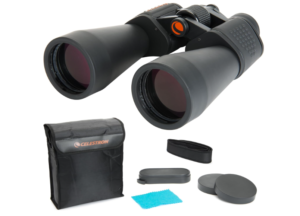
5)Celestron SkyMaster 12×60 Binoculars
Get it on Amazon
The Celestron SkyMaster 12×60 Binoculars are a versatile option for astronomy enthusiasts who want useful magnification without dealing with the extreme size and weight of higher powered binoculars. With 12x magnification and large 60mm objective lenses, they provide a good combination of reach and light gathering for viewing the Moon, stars, and other bright celestial targets. For anyone considering the best binocular magnification for astronomy, 12x is a practical choice for users who value a balance between magnification and handheld usability.
The 60mm objective lenses gather more light than many conventional binoculars, making the SkyMaster well suited to nighttime observation as well as viewing around dawn and dusk. Its BaK 4 prisms are designed to maximize light transmission to the eyes, helping produce brighter and more detailed views in dim conditions. This makes the binoculars useful for casual stargazing while also providing enough magnification for long distance land based observation.
One advantage of the 12x configuration is that the binoculars can be used handheld, giving users more freedom when quickly scanning the sky or distant landscapes. However, their larger size and weight can become tiring during long viewing sessions. For extended observation, mounting them on a standard photo tripod can provide a steadier and more comfortable experience. The tripod is not included.
The SkyMaster 12×60 also features a rubber armored housing that helps protect the binoculars from everyday bumps while providing a secure gripping surface. The water resistant exterior offers additional protection when observing outdoors in changing weather or unexpected rain.
Celestron further supports the binoculars with a Limited Lifetime US Warranty and US based expert technical support. Overall, the SkyMaster 12×60 is a solid choice for beginners and casual astronomy enthusiasts who want more light gathering and magnification than compact binoculars provide, while retaining the option of comfortable handheld use. Its 12x power makes it especially appealing to viewers who do not want the greater tripod dependence associated with 20x or 25x astronomy binoculars.
Pros
• 12x magnification offers a useful balance between reach and handheld usability
• Large 60mm objective lenses provide good light gathering capability
• BaK 4 prisms help deliver brighter, more detailed views in dim conditions
• Can be used handheld for shorter observation sessions
• Compatible with a standard photo tripod for longer viewing sessions
• Rubber armored housing provides protection and a secure grip
• Water resistant exterior adds protection for outdoor observation
• Limited Lifetime US Warranty and US based expert technical support
Cons
• Larger and heavier than conventional compact binoculars
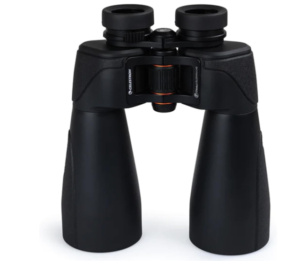
6)Celestron SkyMaster Pro ED 15×70 Binoculars
Get it on Amazon
The Celestron SkyMaster Pro ED 15×70 Binoculars offer a strong balance of magnification and light-gathering capability for astronomy. Their 15x magnification provides a detailed view of the night sky, while the large 70mm objective lenses gather substantial light for brighter images. This 15×70 combination is also described as one of the most popular configurations for observing celestial objects and distant land-based targets, making these binoculars a practical choice for astronomy enthusiasts who want more reach than standard binoculars.
Image quality is a major strength of the SkyMaster Pro ED. The Extra-Low Dispersion (ED) objective lenses are designed to virtually eliminate chromatic aberration, reducing the color fringing that can affect binocular views. This helps produce razor-sharp images with true-to-life color. Celestron also uses its proprietary XLT lens coatings on all air-to-glass surfaces. These multi-coatings maximize light transmission through the optical system, helping produce brighter views when observing the night sky.
The binoculars also offer an interesting option for astronomy enthusiasts who want to customize their viewing experience. Each eyepiece is threaded to accept a 1.25-inch astronomical eyepiece filter, allowing users to add filters to both eyepieces. This gives you additional flexibility when exploring celestial targets and can expand the ways you use the binoculars for astronomy.
For outdoor observing, the SkyMaster Pro ED 15×70 is built with a rubber-armored polycarbonate housing that helps protect the binoculars from damage and demanding weather conditions. The body is fully waterproof, while nitrogen purging helps prevent internal lens fogging. These features make the binoculars well suited to outdoor astronomy sessions where changing weather or moisture could otherwise interfere with viewing.
Celestron also includes several useful accessories with the SkyMaster Pro ED 15×70. The package comes with a comfortable neck strap, eyepiece and lens covers, a rainguard, lens cloth, and a durable padded carrying case. These additions make transporting, protecting, and maintaining the binoculars easier between observing sessions. The purchase also includes Celestron’s Limited Lifetime US Warranty and US-based expert technical support, providing additional assistance for owners.
Pros
• 15x magnification provides detailed views of celestial objects and distant targets
• 70mm objective lenses offer strong light-gathering capability for astronomy
• ED glass virtually eliminates chromatic aberration and color fringing
• XLT multi-coatings maximize light transmission for brighter images
• 1.25-inch eyepiece filter threads allow astronomical filters to be added
• Fully waterproof and nitrogen purged to help prevent internal fogging
• Rubber-armored polycarbonate housing provides protection in demanding outdoor conditions
• Includes a padded carrying case and useful observing accessories
• Limited Lifetime US Warranty with US-based expert technical support
Cons
• The 15x magnification is more specialized for astronomy and distant viewing than general everyday use
You may also like to read Best Binocular Magnification for Alaska Cruise
Best Binocular Magnification for Astronomy Advantages
1. Better Detail of Celestial Objects
Choosing an appropriate magnification allows you to see more detail on the Moon and other bright objects in the night sky. Higher magnification can make distant celestial targets appear larger and easier to examine, while still keeping the image useful for observation.
2. Improved Light Gathering
Astronomy binoculars with larger objective lenses can collect more light than smaller binoculars. When paired with suitable magnification, this can produce brighter views of stars and other celestial targets, particularly when observing under darker skies.
3. Clearer Night-Sky Views
The right magnification can provide a useful balance between image size and clarity. This makes it easier to scan the sky and observe celestial objects without making the view unnecessarily difficult to manage.
4. Wider and More Useful Sky Observation
Moderate astronomy magnification allows you to explore larger areas of the night sky rather than focusing only on one small section. This can be particularly useful for locating star patterns, bright celestial objects, and other interesting targets.
5. More Effective Long-Distance Viewing
A suitable astronomy binocular configuration can also be useful during the daytime for distant land-based targets. This versatility means the binoculars can serve purposes beyond nighttime observation.
6. Greater Image Brightness
When magnification is matched with sufficiently large objective lenses and quality optical coatings, more light can reach your eyes. This can result in brighter images and make faint details easier to observe in suitable viewing conditions.
7. More Comfortable Extended Observation
Selecting a magnification that matches your observing needs can make longer viewing sessions more manageable. Extremely high magnification can make image movement more noticeable, while a more balanced configuration can provide a steadier and easier viewing experience.
8. Greater Flexibility for Astronomy
The right binocular magnification gives you a versatile tool for exploring different types of celestial targets. Whether you want to observe the Moon, scan star fields, or examine brighter objects in the night sky, choosing an appropriate magnification helps you get more from each observing session.
Factors to Consider When Choosing Best Binocular Magnification for Astronomy
1. Magnification
Magnification determines how large distant celestial objects appear through the binoculars. For astronomy, a suitable level of magnification can reveal more detail on the Moon and make stars and other bright objects easier to observe. However, extremely high magnification can make handholding more difficult, so it is important to choose a level that matches your viewing needs and ability to keep the image steady.
2. Objective Lens Size
The objective lens size affects how much light the binoculars can collect. Larger objective lenses are generally more useful for astronomy because they can gather more light from the night sky, producing brighter views of celestial targets. The tradeoff is that larger lenses can also make binoculars heavier and less convenient to carry.
3. Image Stability
Higher magnification makes small hand movements more noticeable, which can cause the image to shake during observation. When choosing binocular magnification for astronomy, consider whether you can comfortably hold the binoculars steady or whether you will use a tripod. A stable setup is particularly important for longer viewing sessions.
4. Light Transmission
Good light transmission is important when observing the relatively faint objects found in the night sky. Optical coatings can help maximize the amount of light passing through the binoculars, resulting in brighter images. Choosing binoculars with effective multi-coated optical surfaces can therefore make a meaningful difference during nighttime observation.
5. Optical Clarity
Clear optics help you see celestial objects with greater sharpness and accurate color. Features such as Extra-Low Dispersion glass can reduce chromatic aberration and unwanted color fringing, helping produce cleaner images. This is especially useful when observing bright objects where optical imperfections can be easier to notice.
6. Field of View
The field of view determines how much of the sky you can see at once. A wider view can make it easier to scan star fields and locate celestial objects, while a narrower view can be useful when you want greater magnification and closer observation. Consider the types of targets you plan to observe when deciding which balance is most suitable.
7. Portability and Weight
Astronomy binoculars with higher magnification and larger objective lenses can become relatively large and heavy. Before choosing a configuration, consider how easily you can carry it to an observing location and how comfortable it will be during extended use. A slightly more compact option may be preferable if portability is a priority.
8. Weather Resistance and Durability
Astronomy often involves spending extended periods outdoors, where moisture, temperature changes, and changing weather conditions can affect equipment. A durable, water-resistant or waterproof construction can provide better protection during outdoor use. Nitrogen purging can also help prevent internal fogging, which can interfere with clear views of the night sky.
Best Binocular Magnification for Astronomy
1. What is the best binocular magnification for astronomy?
A magnification between 10x and 15x is generally a strong choice for astronomy because it provides a useful balance between image detail, brightness, and stability. Around 15x can make the Moon and other bright celestial objects appear larger and more detailed, while lower magnification can offer easier handheld viewing and a wider view of the night sky.
2. Is 15x magnification good for astronomy?
Yes, 15x magnification is an excellent option for astronomy, especially when paired with large objective lenses. It provides enough power to bring distant celestial objects closer while remaining practical for scanning the night sky. Because higher magnification makes hand movements more noticeable, a tripod can be helpful for extended observations.
3. Are higher magnifications better for astronomy?
Not necessarily. Higher magnification can reveal more detail, but it can also produce a shakier image and a narrower field of view. The best choice depends on what you want to observe, how steady you can hold the binoculars, and whether you plan to use a tripod. For many astronomy users, a balanced configuration around 10x to 15x provides a more practical viewing experience.
Conclusion
When it comes to choosing the best binocular magnification for astronomy, there is no need to chase the highest power available. A well-balanced 10x to 15x magnification can provide an enjoyable combination of detail, brightness, stability, and a useful field of view for exploring the night sky. For those who want more reach and finer views of the Moon and brighter celestial targets, 15x is an especially appealing choice when paired with large objective lenses and quality optics.
Ultimately, the best configuration is the one that matches your observing style, whether you value portability and handheld comfort or prefer a larger setup for more detailed, tripod-assisted stargazing.